Salesforce Introduces AIforce to Turn Its CRM Into an AI-Native Interface Layer
AIforce forms a new layer in Salesforce’s broader “Agentic Enterprise” architecture.

Salesforce has unveiled AIforce, a new interface layer designed to bring data, workflows, business logic, permissions and governance from its CRM platform into external AI interfaces.
Announced at Dreamforce, AIforce is intended to let employees and AI agents interact with Salesforce information without having to open the Salesforce application itself.
 The Left Shift Bureau
The company said users can work through interfaces including Claude, Slack and Salesforce’s Lightning environment to ask questions, update records and trigger workflows using Salesforce data and business rules.
AIforce addresses a limitation of traditional enterprise software, where employees typically have to navigate predefined dashboards, layouts and fields to access business information. With AIforce, users can instead describe what they need and generate customised interfaces within supported platforms.
The company said AI agents can also use AIforce to work across large numbers of records, connected systems and business workflows, allowing them to reason over broader business context and take actions based on existing Salesforce permissions and governance controls.
 Pritam Bordoloi
“AI is creating an interface revolution. We are combining model intelligence with all the context that customers have built into Salesforce to create an intelligent, dynamic, composable system that is securely governed, built with Zero Data Retention, and designed to work with the core systems that already run your business,” said Marc Benioff, Salesforce Chair and CEO.
AIforce forms a new layer in Salesforce’s broader “Agentic Enterprise” architecture. The company said the architecture combines Data 360, which provides unified and federated data, metadata and memory, with Customer 360’s application and semantic intelligence, and Agentforce.
According to Salesforce, AIforce is designed to operate within existing permissions and business rules, meaning agents access only information authorised for the user and route actions back through Salesforce. The company also said business data used to respond to requests is not retained by the underlying model provider.
Salesforce said AIforce supports composable interfaces through technologies including MCPs, APIs, plug-ins and skills, while administrators can connect the system without creating a separate permissions framework or migrating existing data.
 Pritam Bordoloi
 The Left Shift Bureau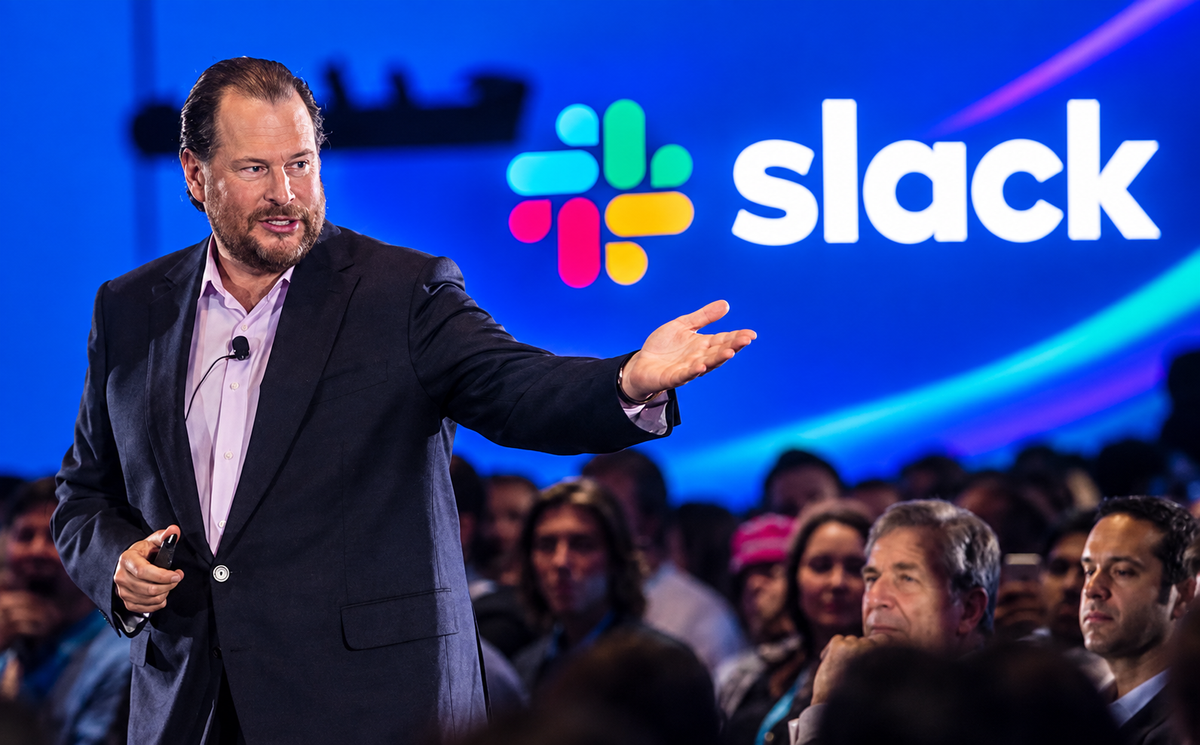
 The Left Shift Bureau