Googlebook Wants Your Android Phone and Laptop to Finally Work as One
For developers, Googlebook includes a full terminal environment and support for tools such as Claude Code and Antigravity CLI

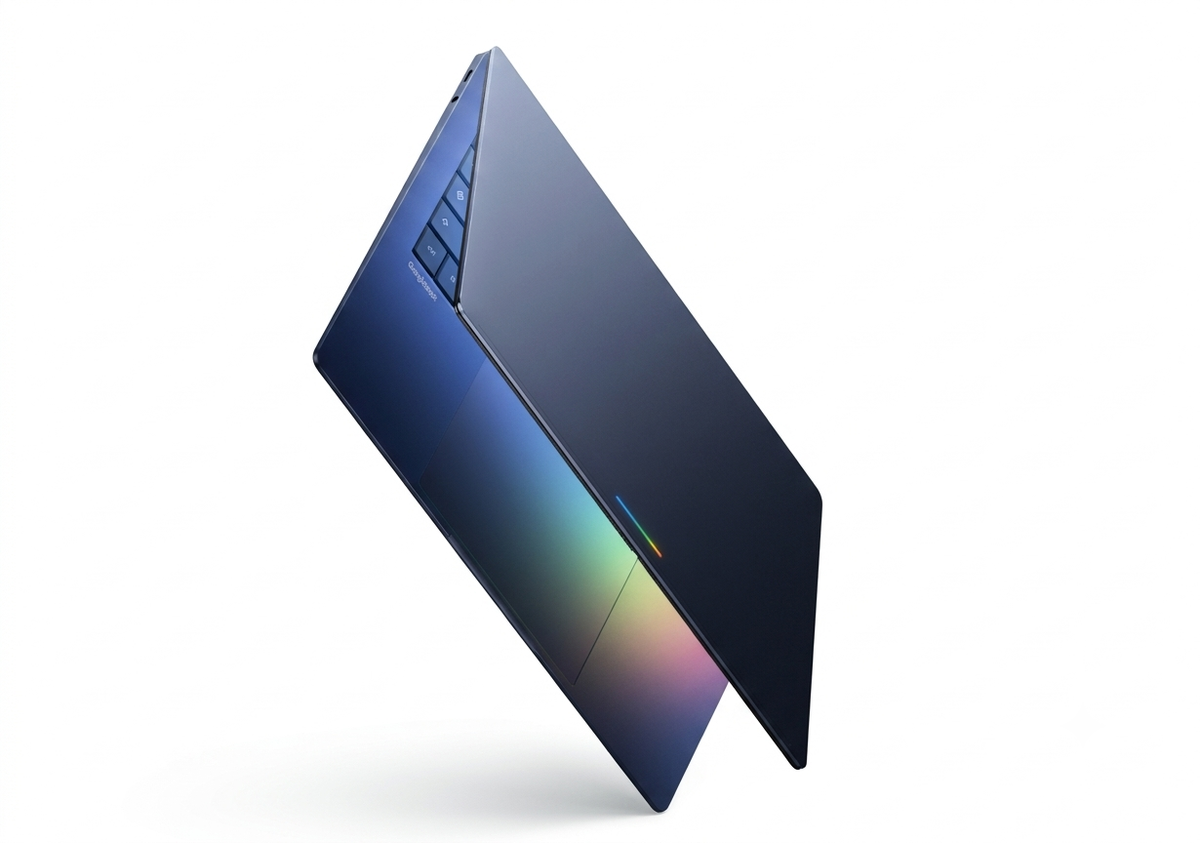
Google has introduced Googlebook, a new category of laptops built around its Android technology stack and ChromeOS foundations.
The laptops are now available for pre-order in the US and select international markets, starting at $899. However, Google has not listed India among the markets receiving the devices at launch, leaving the availability and pricing of Googlebook in India unclear.
 The Left Shift Bureau
“Built on the Android technology stack and paired with desktop foundations from ChromeOS, Googlebook is designed for Gemini Intelligence and engineered to work with your Android phone right out of the box,” Google said.
The first Googlebook lineup has been developed with Acer, ASUS, Dell, HP and Lenovo. The company says the laptops feature aluminum, magnesium alloy and carbon-fiber construction, with options including touchscreen displays of up to 2.8K OLED resolution, haptic glass trackpads and backlit keyboards.
Feeling good about this one:) https://t.co/IemFN2d2JR pic.twitter.com/sM82nOZ6Bg
— Sundar Pichai (@sundarpichai) September 21, 2026
The devices use Intel and Qualcomm processors, alongside dedicated NPUs capable of more than 45 trillion operations per second (TOPS). Google claims battery life of up to 14 hours.
A major part of Google's pitch is the integration between Googlebook and Android phones. Users can carry over settings, saved passwords, Wi-Fi networks and messages during setup, while features such as Continue On allow users to resume tasks started on their smartphones.
"If you use an Android phone, your laptop shouldn't treat it like a stranger. Googlebook is built on a shared Android foundation, so your phone and laptop work seamlessly together," Google said.
The Files app can also surface files and photos stored on an Android phone, while Cast My Apps allows users to interact with smartphone applications from a desktop window.
 The Left Shift Bureau
Google is also embedding Gemini-powered features directly into the operating system. Magic Pointer can invoke Gemini based on content displayed on screen, while Rambler converts spoken thoughts into structured notes. Another feature, Create My Widget, can generate desktop widgets based on natural-language descriptions.
For developers, Googlebook includes a full terminal environment and support for tools such as Claude Code and Antigravity CLI. Google is also offering its Antigravity AI agent development platform for building and testing applications locally.
 The Left Shift Bureau
 The Left Shift Bureau
 The Left Shift Bureau