Intel Unveils Xeon 6+ and New Ethernet Portfolio; Bets on CPUs as AI Infrastructure Evolves
Built on Intel's 18A process technology, the new Xeon 6+ processors are designed for cloud-native applications, AI-driven workloads, and network-intensive environments.

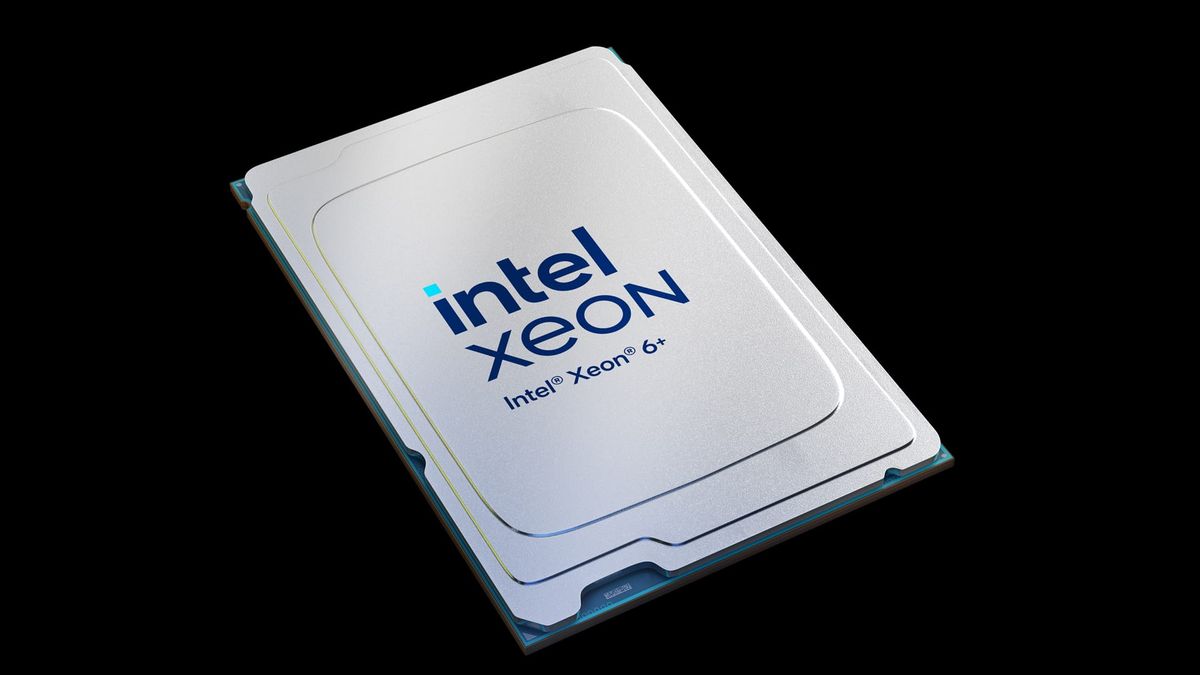
Intel has unveiled a range of new data centre technologies, including the Intel Xeon 6+ processors, Intel Ethernet E835 networking solutions, and updates on its next-generation AI accelerator roadmap.
The announcements underscore Intel's belief that as AI systems become more autonomous and interconnected, the CPU will remain a critical component of modern AI infrastructure, coordinating workloads, managing data movement, and enabling large-scale orchestration across data centers.
“AI doesn’t scale as a collection of parts—it scales as a coordinated system. As AI becomes more agentic, the constraints shift to orchestration, concurrency, and data movement. That shift reinforces a core reality: the CPU remains the control plane for the modern AI infrastructure. With Xeon 6+ and Ethernet E835, we’re tightly coupling compute and networking to reduce bottlenecks and enable efficient, secure scaling of real-world agentic workflows,” said Kevork Kechichian, Intel Data Center Group Executive VP & General Manager.
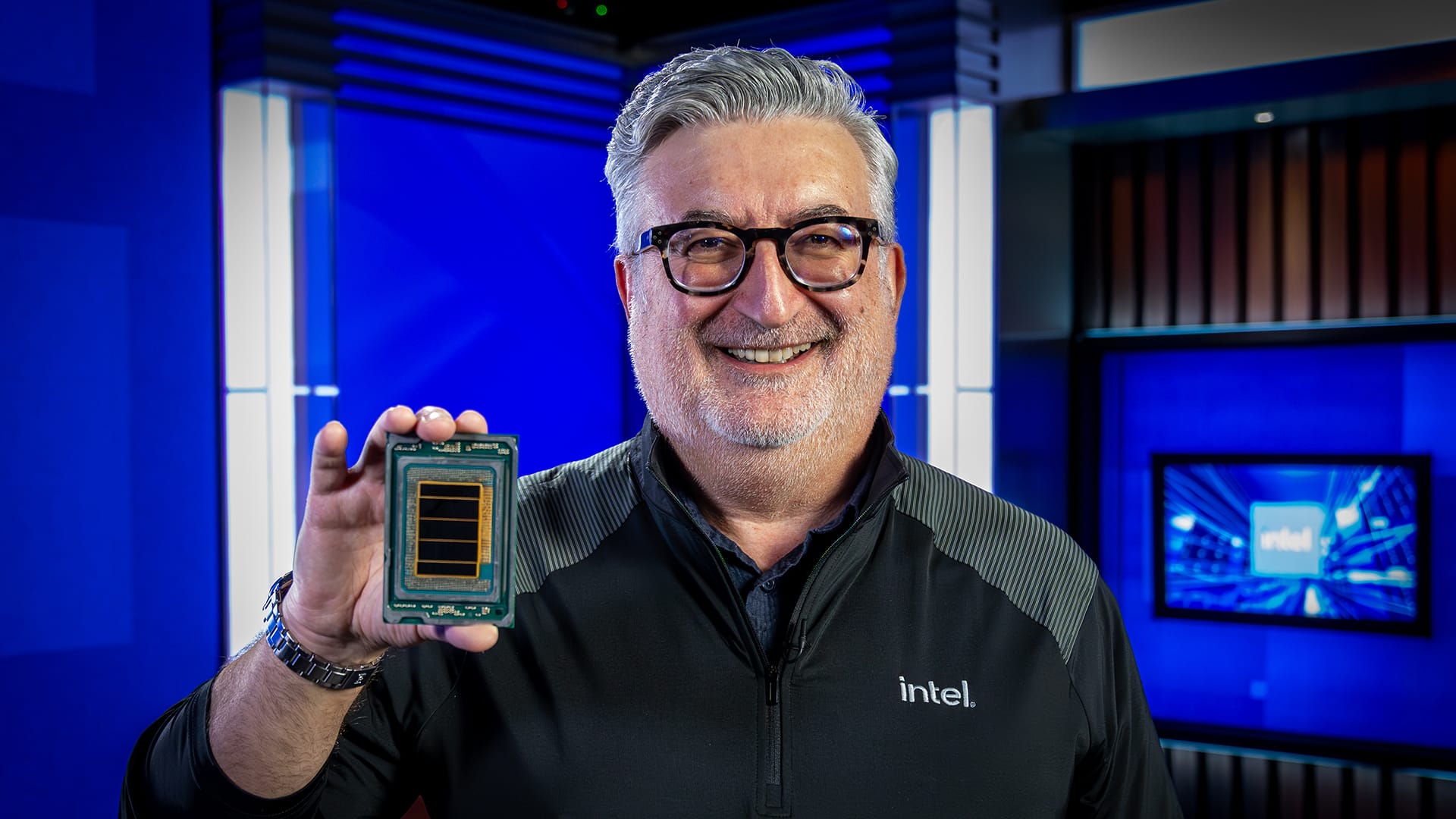
Built on Intel's 18A process technology, the new Xeon 6+ processors are designed for cloud-native applications, AI-driven workloads, and network-intensive environments.
The chips feature up to 288 efficient-cores, support for 12-channel DDR5 memory, 96 PCIe Gen 5 lanes, and integrated security technologies including Intel SGX and Intel TDX. Intel claims the processors can deliver up to 2.5 times the performance of the previous generation while enabling server consolidation ratios of up to 9:1.
Alongside the processors, Intel introduced its Ethernet E835 controllers and adapters, offering connectivity speeds ranging from 10GbE to 200GbE. The networking portfolio is designed to improve power efficiency and data throughput for AI, cloud, and enterprise environments while supporting advanced features such as RDMA and hardware-based security.
Intel also provided new details on Crescent Island, its upcoming data centre GPU based on the Xe 3P architecture. The accelerator will feature up to 480GB of LPDDR5x memory and a 350W air-cooled design, targeting large-scale AI inference workloads that require high memory capacity and efficiency.
The company said the new products reflect its broader strategy of delivering integrated compute, networking, and AI infrastructure designed to meet the growing demands of next-generation enterprise AI deployments.