India’s Top 4 AI Data Centre Projects Are Running Into Water, Land & Environmental Fights
Some of the country's biggest data-centre developments are facing questions over water consumption, land acquisition, tree felling, wildlife, heat, noise and their impact on communities living around them.

India is betting billions of dollars on data centres to power its AI ambitions. Google, Amazon, Adani, among other companies, are planning or building facilities running into hundreds of megawatts—and, in some cases, gigawatts—of capacity.
But as the projects move from announcements to construction, a less comfortable reality is emerging. Some of the country's biggest data-centre developments are facing questions over water consumption, land acquisition, tree felling, wildlife, heat, noise and their impact on communities living around them. Some disputes have moved from protests to courts.
Here are the projects at the centre of India's growing data-centre environmental debate.
1. Google-Adani's Vizag project: The biggest environmental fight yet
The clearest example is Google's planned $15 billion data-centre campus near Visakhapatnam, being developed with the Adani Group. The project is expected to eventually reach gigawatt-scale capacity and is being promoted as one of India's biggest AI infrastructure investments.
But environmental activists and local groups have taken the project to the streets—and to court. Their biggest concern? Water. Visakhapatnam already has a reported daily water deficit of around 70 million litres.
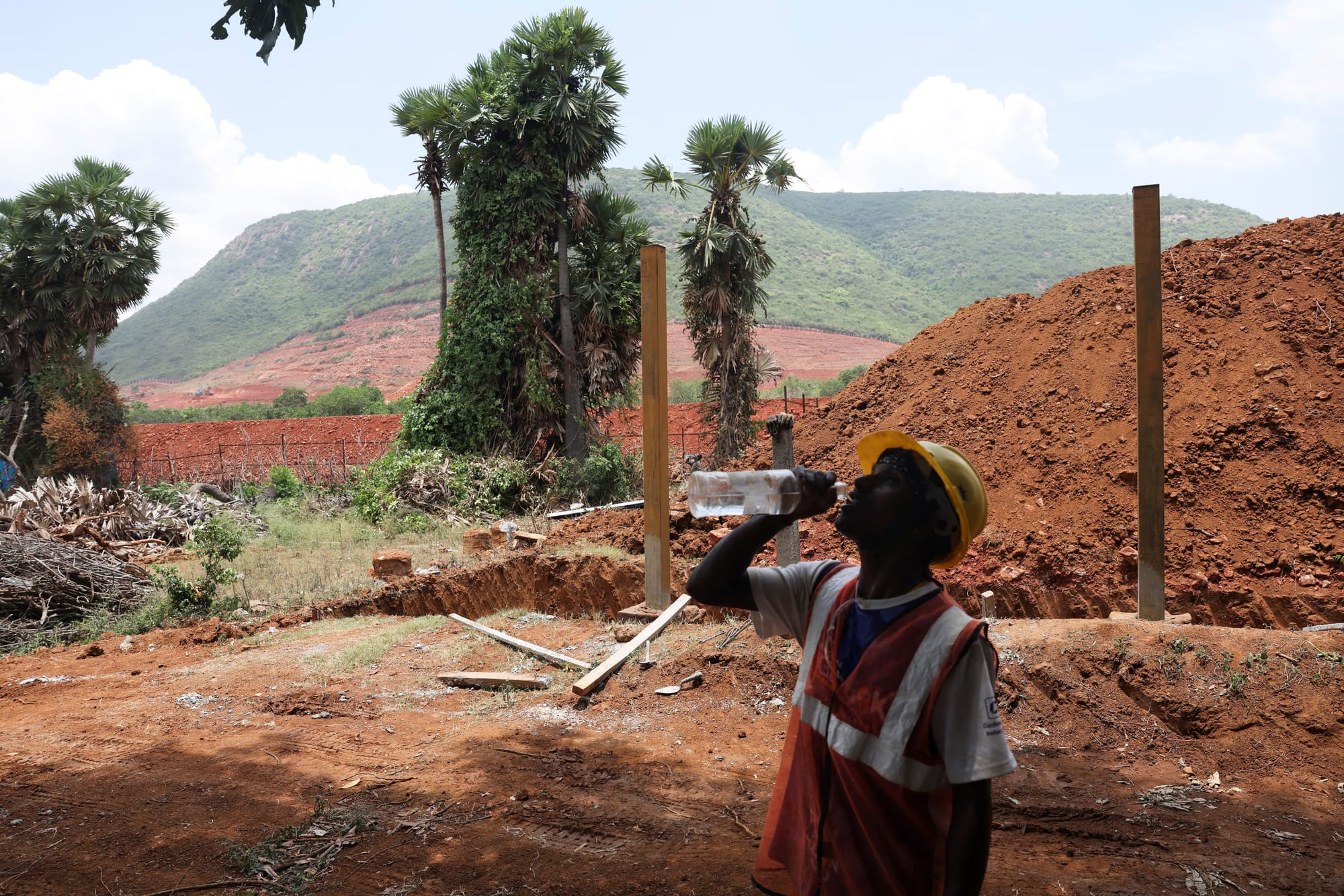
Activists argue that guaranteeing a long-term water supply to a massive data-centre campus while residents face shortages raises fundamental questions about resource allocation.
They have also raised concerns about the project's proximity to the Kambalakonda Wildlife Sanctuary and its potential effect on local ecosystems. The Andhra Pradesh High Court is now part of the dispute. A public-interest litigation has challenged aspects of the project, with the next hearing scheduled for August 24, 2026.
Google says it will use advanced air-cooling technology and has said residential and rural drinking-water supplies will not be diverted.
2. The 160-acre Vizag Hyperscale project: Temple land, reservoir and environmental clearance
Another Visakhapatnam-area project has run into a different kind of legal challenge. In July, an environmental activist filed a PIL in the Andhra Pradesh High Court challenging the state's allotment of 160 acres of endowment land to Vizag Hyperscale Data Centre Park Ltd.
The land is associated with the Simhachalam Devasthanam, a Hindu temple. The petition argues that transferring it for a commercial data-centre project was improper and raises questions under environmental regulations.
The petition also points to the project's proximity to the Mudasarlova reservoir catchment and the Kambalakonda Eco-Sensitive Zone. It asks the court to cancel the land allotment and environmental clearance and stop construction until a comprehensive environmental impact assessment is conducted.
3. Amazon's ₹45,000-crore Thane data centre: Residents take to the streets
In Maharashtra, Amazon's proposed data centre in Balkum, Thane, has triggered an increasingly visible local backlash. The company is planning a massive facility on a site of roughly 53-58 acres, with investment reported at around ₹45,000 crore.
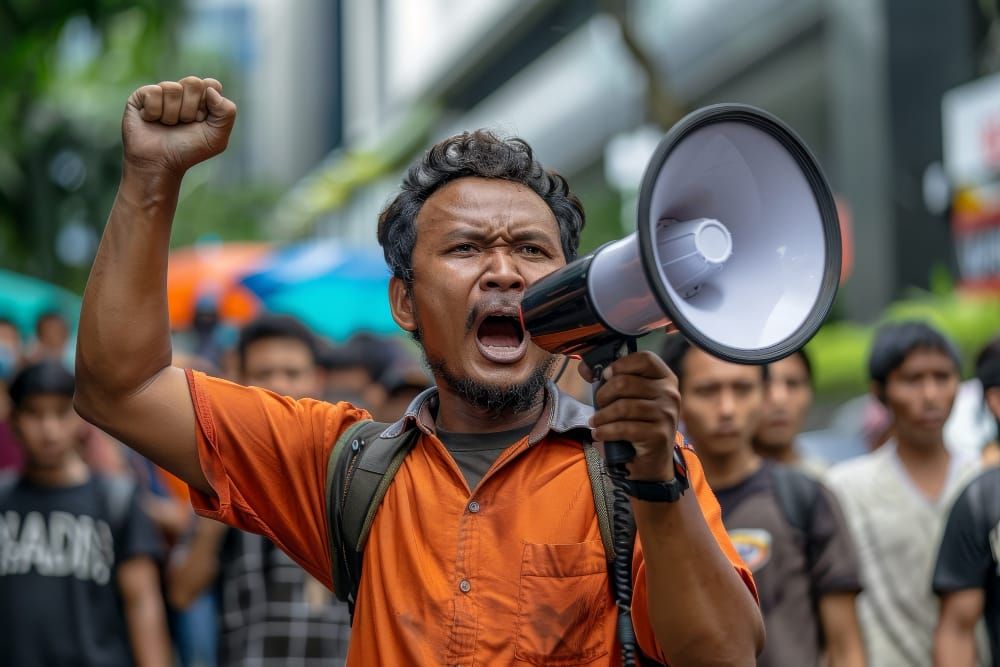
In July, hundreds of residents protested against the project. Their concerns also include water consumption, along with electricity demand, noise, tree loss, rising temperatures and potential environmental and health impacts. Protesters have said the facility could require as much as 12 million litres of water a day.
Residents from Balkum, Kolshet and Dhokali pointed out that residential complexes, schools and hospitals surround the site.
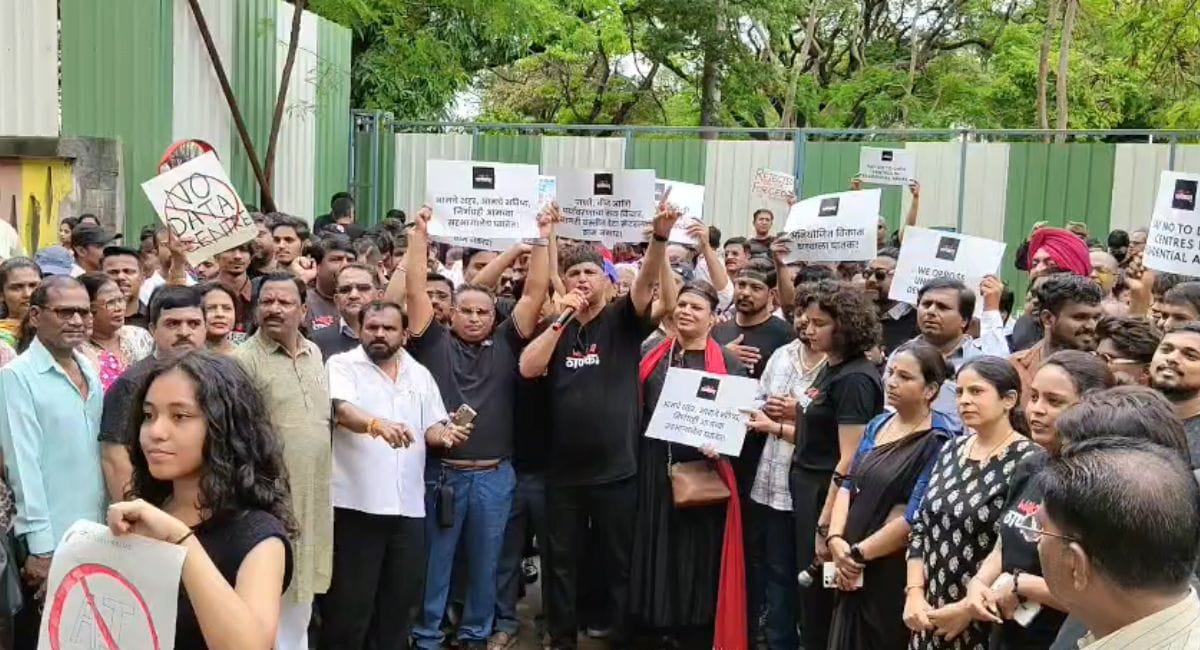
Amazon has disputed the characterisation of the project, saying it complies with environmental regulations, will use a dedicated high-voltage substation and will not use community drinking water for cooling. The company has also said compensatory plantation is being undertaken for trees removed from the site.
The controversy has nevertheless become political. Shiv Sena MP Naresh Mhaske has opposed the project and called for an inquiry into tree felling. The Thane municipal commissioner has subsequently submitted a report on the project to the state government.
4. Adani's 697MW Rambilli project: Environmental groups challenge its clearance
The 697MW Vizag Rambilli Data Centre Park in Andhra Pradesh received environmental clearance from the state regulator in April 2026. But the approval has since come under fire from the Human Rights Forum (HRF), which has called for the clearance to be suspended and the project subjected to a fresh environmental appraisal.
HRF's criticism focuses on several issues, including the project's proximity to four Reserve and Protected Forests, its large diesel-generator backup system and the absence of a specific cooling-water requirement in the environmental-management documents.
The organisation also argues that the project's environmental assessment did not adequately consider broader or cumulative impacts. These are allegations by HRF, not findings established by a court.
The problem is bigger than any one data centre
The environmental backlash is not necessarily an argument against data centres. It is an argument about where they are built, who pays for the resources they consume and whether local communities get a meaningful say before construction begins.
Research from WRI India found in May that more than half of India's data centres are located in water-stressed regions. Moreover, just five states-Maharashtra, Tamil Nadu, Karnataka, Telangana and Uttar Pradesh account for 75% of the country's data centres.
The water issue is likely to become even more difficult as AI drives much higher computing demand. The problem is not confined to water either. Data centres consume huge amounts of electricity, generate waste heat, require backup power systems, occupy large areas of land and can bring noise and construction activity into communities.
That is why India's data-centre debate is beginning to resemble the controversy surrounding other large infrastructure projects. The country wants the investment. States want the jobs and tax revenue. Technology companies want cheap, reliable infrastructure. But residents want water, clean air, trees and a say over what gets built next door.
The Karnataka government has acknowledged this problem. The state is preparing a sustainable data-centre policy because of concerns over the environmental footprint of the sector.
IT-BT Minister Priyank Kharge has acknowledged that data centres require substantial quantities of water and power and said the government is reconsidering its existing policy. The government has also been looking at treated water and more efficient cooling technologies.