KuhlTherm Unveils Made-in-India AI Data Centre Cooling Systems
The new products will be integrated with NexusFlow OS, KühlTherm's AI-powered thermal intelligence platform that connects power systems from grid to rack and cooling infrastructure from chip to chiller.

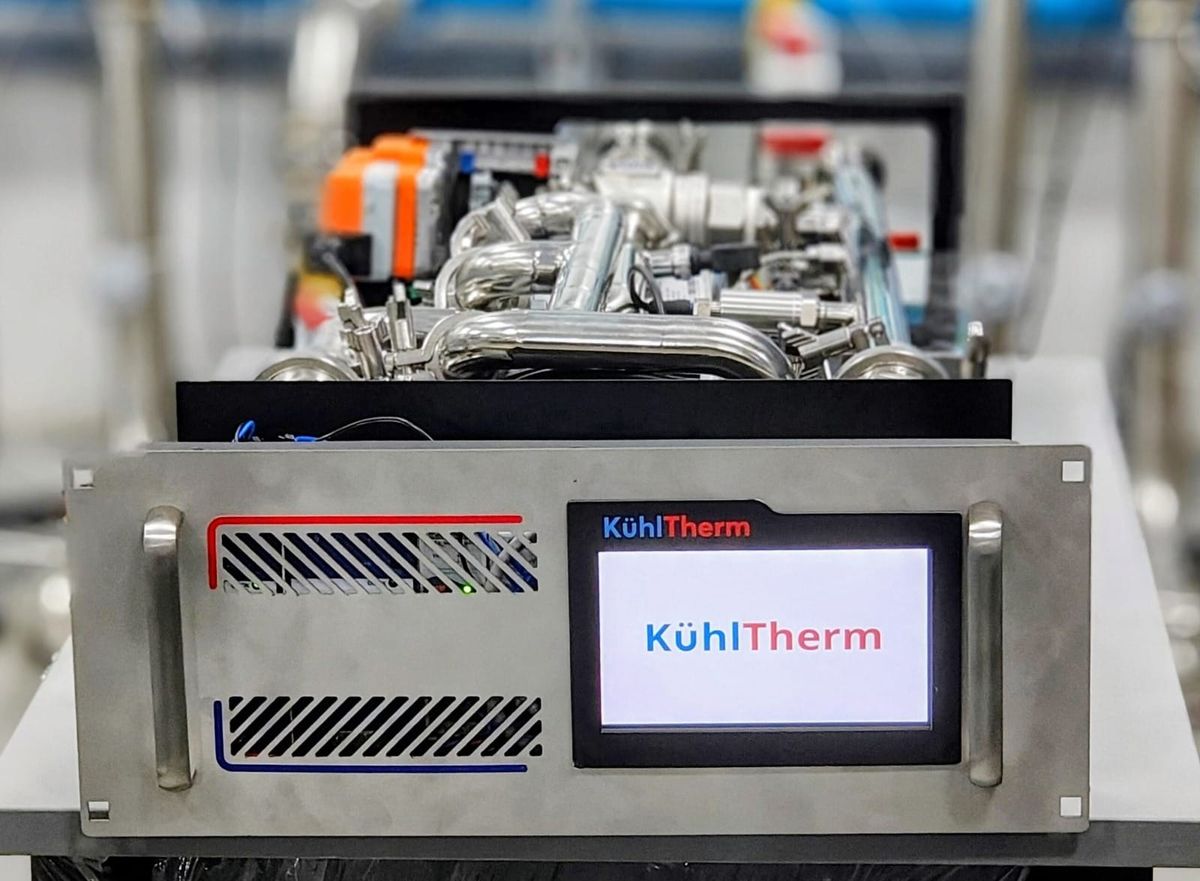
Ahmedabad-based KühlTherm has launched two locally built liquid cooling products designed for high-density AI workloads. The company introduced its Rear Door Heat Exchanger (RDHx) and Cooling Distribution Unit (CDU) alongside what it says is India's first integrated liquid cooling validation laboratory.
Earlier this month, the company raised $1.1 million in a seed funding round to expand product development, strengthen research and testing capabilities, and grow its engineering and business development teams.
The new products will be integrated with NexusFlow OS, KühlTherm's AI-powered thermal intelligence platform that connects power systems from grid to rack and cooling infrastructure from chip to chiller. The platform is designed to monitor, optimise and automate thermal management across AI data centres.
"The new RDHx and CDU is a part of our goal to help our customers confidently adopt next-generation cooling technologies, while strengthening India's position in the global thermal management ecosystem. India is entering a major data centre buildout cycle, and decisions being made today will define the efficiency and sustainability of thermal management infrastructure for years to come," said Shailesh Bishnoi, Founder and CEO of KühlTherm.
The RDHx captures heat directly at the rear of server racks before it enters the facility, while the CDU manages coolant flow, temperature and pressure to improve cooling efficiency.
The newly opened validation lab in Ahmedabad will allow the company to test its cooling technologies under real-world operating conditions before deployment.
KuhlTherm said its liquid cooling systems are engineered specifically for Indian operating conditions, including high ambient temperatures, grid fluctuations and local infrastructure requirements.
The company designs and manufactures its complete thermal management stack—from chip to chiller—in India and plans to expand its manufacturing capacity from 300 MW to 2 GW by 2027.