TCS, Rolls-Royce Test 100% Hydrogen in Aero Engine as Aviation Searches for Alternative Fuels
The milestone is part of a four-year programme to assess hydrogen’s potential as a future aviation fuel.

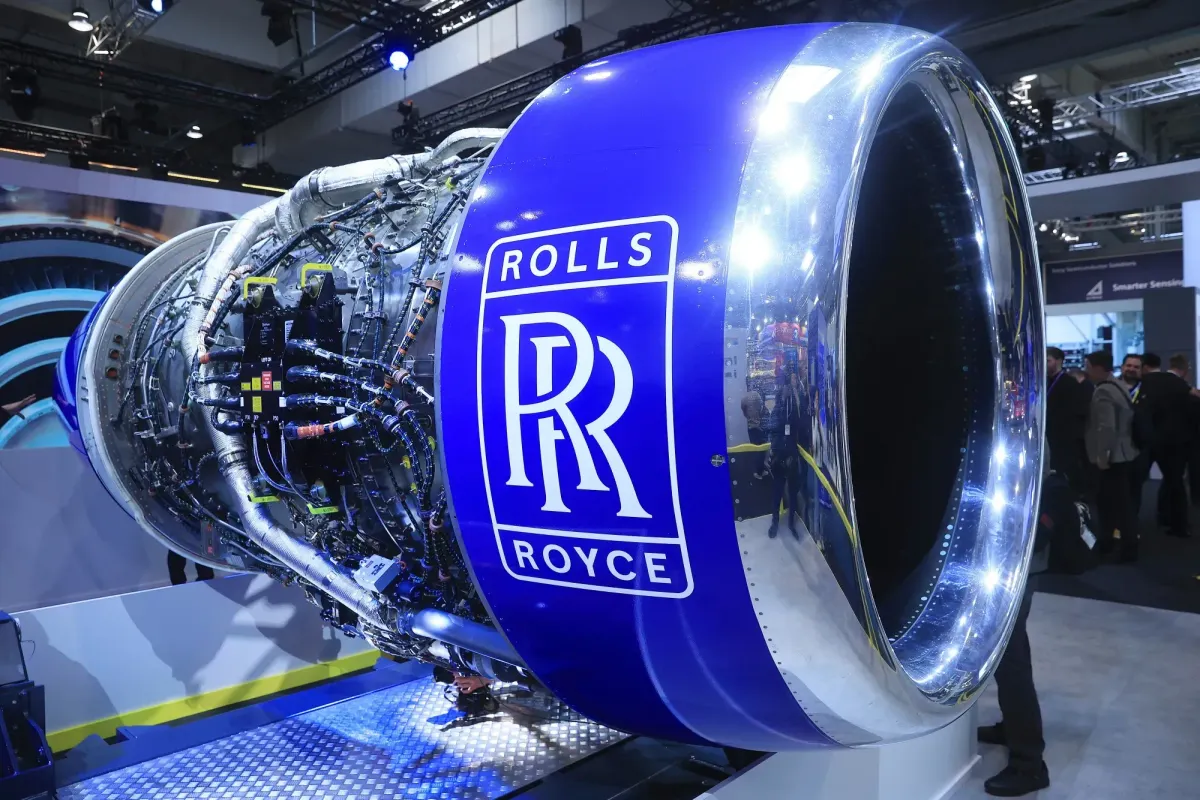
Tata Consultancy Services (TCS) and Rolls-Royce have successfully demonstrated the operation of a modern aero gas turbine across a fully simulated flight cycle using 100% hydrogen.
"We have gained valuable insights into how 100% hydrogen behaves in a modern aero gas turbine across a full flight cycle while validating critical combustion, fuel and control system technologies.
"The learnings from this initiative will support future propulsion innovations, including UltraFan®, and strengthen our confidence that gas turbine technology can continue to play an important role in the future of sustainable flight," Adam Newman, Rolls-Royce Chief Engineer, Hydrogen Demonstrator Programme, said.
The milestone is part of a four-year programme to assess hydrogen’s potential as a future aviation fuel.
The programme was first announced by Rolls-Royce and easyJet in 2022, with TCS joining in 2024 as an engineering and technology partner.
During the latest demonstration, a modified aero engine powered entirely by hydrogen completed a simulated flight cycle covering take-off, cruise and landing.
The tests were designed to validate key technologies required for hydrogen-powered propulsion, including combustion, fuel systems and engine controls.
TCS supported Rolls-Royce across several areas of the programme, including fuel-system and engine-control integration, hydrogen combustion analysis, test preparation, validation, data analytics, risk management and detailed engineering design.
“This milestone reflects what becomes possible when advanced engineering is combined with digital capabilities and deep ecosystem collaboration to move breakthrough innovation closer to the real world.
"This achievement marks a significant step forward—demonstrating not just the viability of hydrogen, but the industry’s readiness to translate ambition into execution,” Anupam Singhal, Tata Consultancy Services President, Manufacturing, added.
The demonstration involved Rolls-Royce and TCS working with easyJet, NASA, the UK Health and Safety Executive (HSE) and other industry partners.
Aviation currently accounts for approximately 2–3% of global CO₂ emissions. Hydrogen propulsion could potentially eliminate in-flight CO₂ emissions when deployed at scale, although significant infrastructure, production and aircraft-design challenges remain.
The companies said the findings will inform future propulsion technologies, including Rolls-Royce’s UltraFan®, and contribute to the aviation industry’s efforts to develop lower-carbon forms of air travel.