Microsoft Drops Copilot+ PC Branding as AI PC Strategy Shifts
Microsoft recently launched new Surface Pro and Surface Laptop models powered by Qualcomm’s Snapdragon X2 Plus processor.

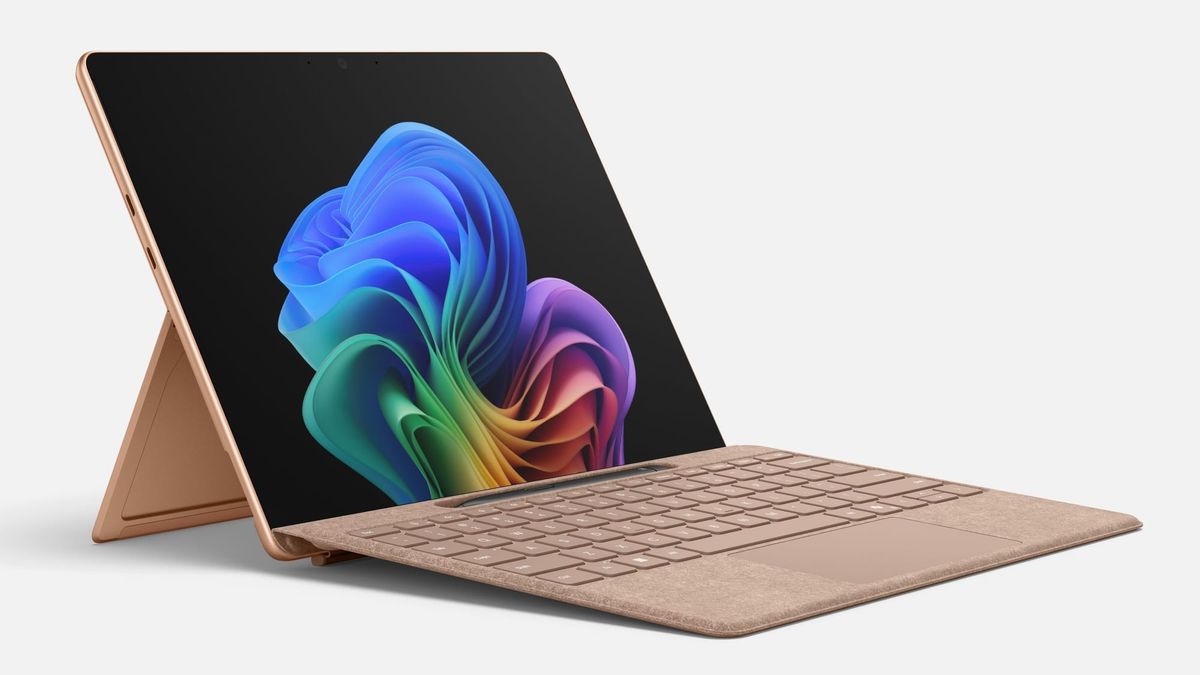
Microsoft is dropping the Copilot+ PC branding from its Windows hardware strategy, moving away from a label that was introduced to distinguish PCs equipped with hardware designed for on-device AI workloads.
The company is not abandoning the underlying technology; instead, the new Surface devices will continue to feature the hardware specifications associated with Copilot+ PCs. This includes neural processing units (NPUs) designed to run AI workloads locally; however, Microsoft is no longer putting the Copilot+ PC name at the centre of its PC messaging.
 The Left Shift Bureau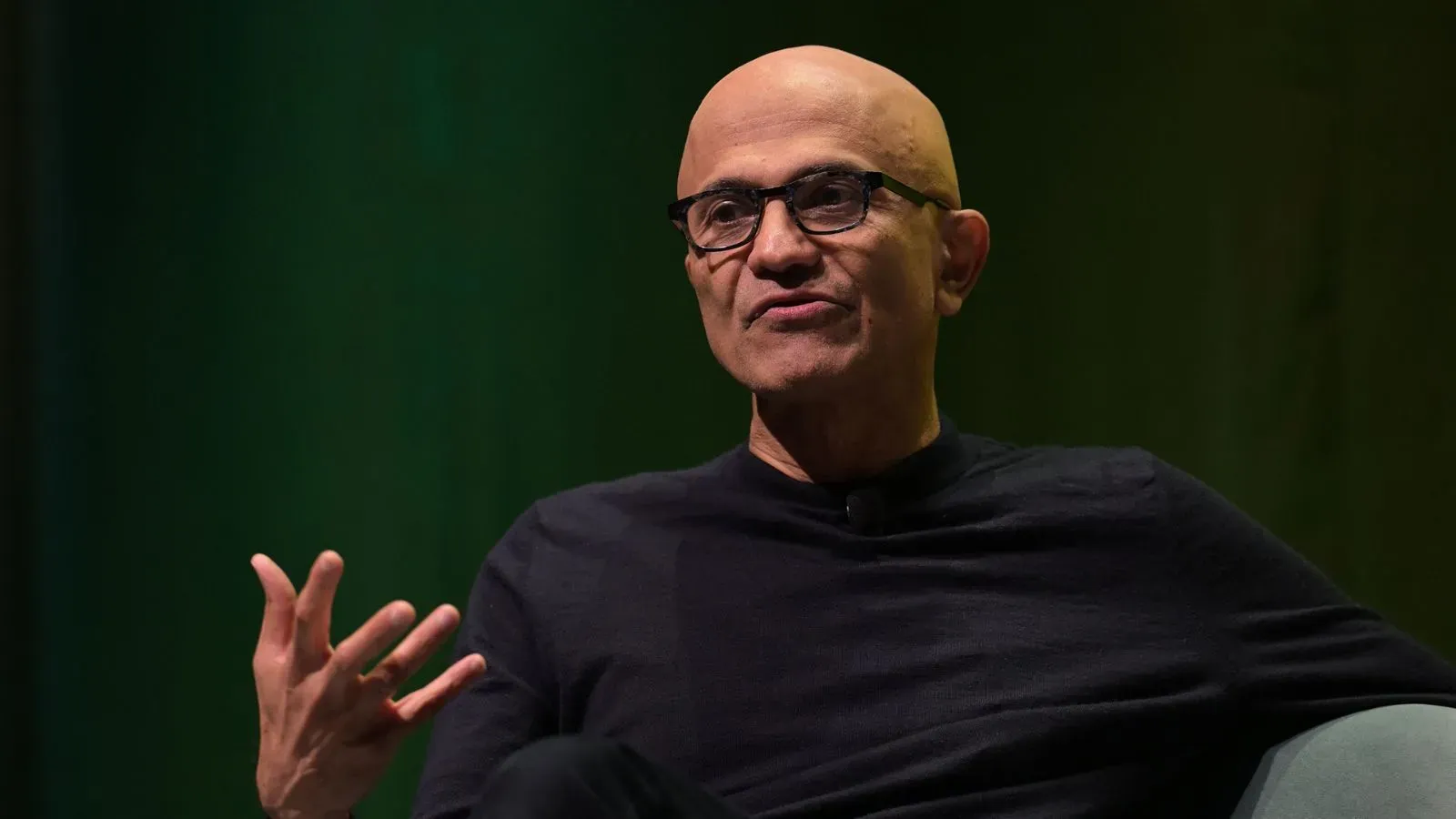
Instead, the company is shifting its attention toward Copilot itself, positioning the AI platform as a broader layer across Windows and Microsoft’s productivity ecosystem.
Microsoft now describes Copilot as a central platform that brings together multiple AI experiences. These include Autopilot for proactive tasks, Code for application development and Home for chat and collaboration.
"We’re building Copilot as a new OS for work that spans every model, every form factor, and every task," Satya Nadella, Microsoft Chairman & CEO, said.
The company is also expanding Copilot’s integration with Microsoft 365, including a new dashboard for Teams.
The branding change comes as the importance of dedicated AI hardware in PCs continues to evolve. Copilot+ PCs were introduced as a new category built around machines with NPUs capable of more than 40 trillion operations per second, enabling features such as local AI processing without always relying on cloud infrastructure.
Microsoft recently launched new Surface Pro and Surface Laptop models powered by Qualcomm’s Snapdragon X2 Plus processor. The Surface Pro 12-inch and Surface Laptop 13-inch are designed around portability, performance and battery life, while their NPUs support on-device AI workloads. Microsoft also introduced a new Surface Mouse with integrated haptic feedback.
"This generation brings up to 18% more efficient battery performance, over 60% faster graphics, and 95% faster on-device AI — all in the same lightweight design," Brett Ostrum, Surface Corporate VP, wrote in a blog post.
The move also comes as Microsoft competes with Apple and other PC makers over the future of AI-powered computing. While the Copilot+ branding is being phased out, the hardware capabilities behind the category will remain in newer Microsoft devices.
For Microsoft, the change effectively separates its AI PC technology from the Copilot+ name, allowing the company to focus its messaging on Copilot and the growing role of AI agents across Windows and Microsoft 365.
Earlier this year, Microsoft and NVIDIA unveiled a new generation of Windows PCs powered by NVIDIA's RTX Spark platform, promising unprecedented AI performance, graphics capabilities, and energy efficiency in thin-and-light devices.
 The Left Shift Bureau
 The Left Shift Bureau
 The Left Shift Bureau