India’s GCC Boom Faces a Talent Problem; Leadership Lacks AI Literacy
The report, based on 200 senior GCC executives across eight industries, found that 72% of GCCs need to reskill or upskill more than 40% of their workforce.

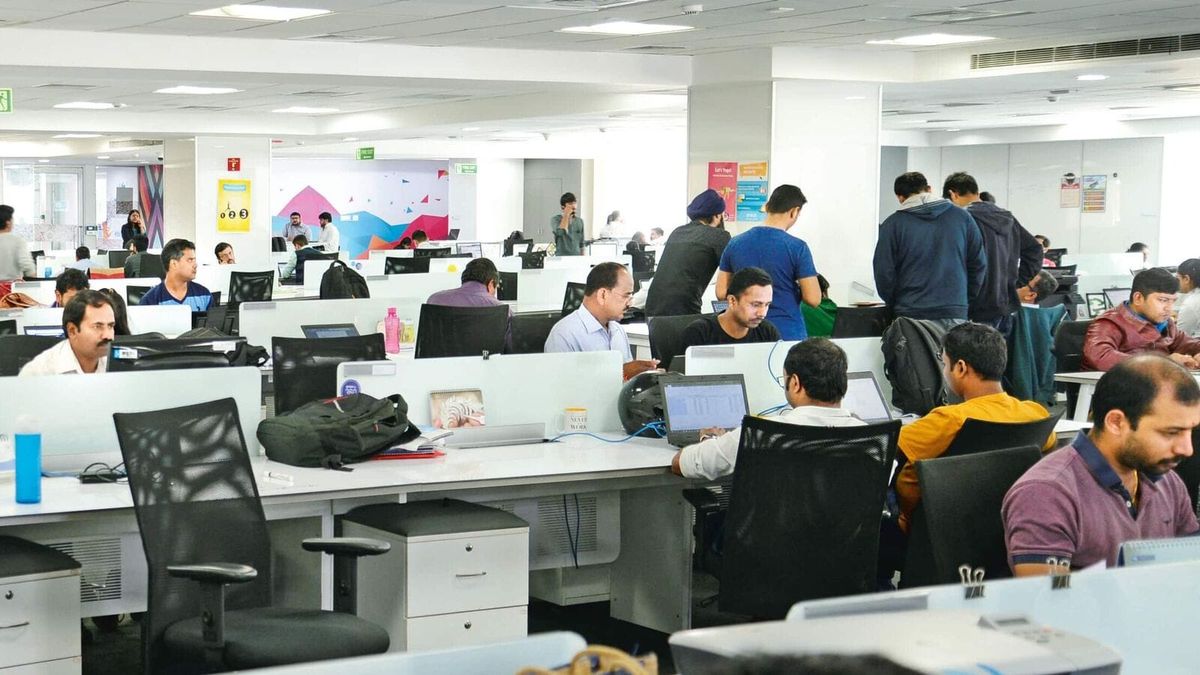
India’s Global Capability Centres (GCCs) may be increasingly positioning themselves as the strategic brains of global enterprises, but a new PwC India-FICCI study finds that the talent needed to sustain that growth is still in short supply.
Nearly 90% of GCC leaders remain confident that India can retain its global leadership position through 2030. Yet the optimism is clouded by significant gaps in AI skills, domain expertise and leadership preparedness.
The scale of the reskilling challenge is particularly stark. Around 72 percent of GCCs say they need to reskill or upskill more than 40% of their workforce, pointing to a problem that cannot be fixed through small training programmes or occasional workshops.
The study, which is a survey of 200 senior GCC executives across eight industries, states most GCCs currently spend just 3–5% of their operating budgets on talent development. Yet 94% of leaders believe that figure needs to rise to at least 6%, with more than a quarter expecting spending to cross 8%.
“GCCs are increasingly becoming the enterprise nerve centre where strategic decision-making, digital innovation, and AI-led transformation converge to create global business impact. But sustaining this shift will require a fundamental reimagining of workflows, leadership models, and skilling ecosystems," Rajesh Ojha, PwC India Partner and Leader - GCC Market Segment, said.
Another interesting finding of the report is that AI literacy among those holding leadership roles averages just 27%, while more than 90% of GCCs say 40% or fewer members of their leadership teams have sufficient AI knowledge for strategic decision-making.
The talent pipeline is also struggling to deliver the hybrid skills companies increasingly need. Some 62% of GCC leaders identify a shortage of professionals who combine technology capabilities with deep domain expertise as their biggest supply-side constraint. Competition for talent is cited by 55%, while 52% point to a shortage of senior leaders equipped to make strategic decisions in the AI era.
The problem becomes even more acute in sectors such as energy, life sciences and healthcare, where 87%, 80% and 80% of GCCs, respectively, report significant reskilling requirements.
Adding to the pressure, new hires take an average of 8.69 months to become fully productive, slowing the conversion of hiring into actual business impact.
The findings expose an uncomfortable gap between India’s AI ambitions and its readiness to deliver them. While 86% of GCC leaders expect AI to bring substantial or transformational changes to work by 2030, the workforce and leadership capabilities required for that transformation remain well behind the rhetoric.
"The GCCs that succeed will be those that build composite skills and capabilities, combining frontier AI skills with deep domain knowledge and human judgment," Ojha added.