OpenAI Researcher Resigns Citing Concerns Over Ads in ChatGPT
Zoë Hitzig announced her departure this week and outlined her reasons in a guest essay, saying she feared the move toward ads could create incentives that undermine user trust and safety.
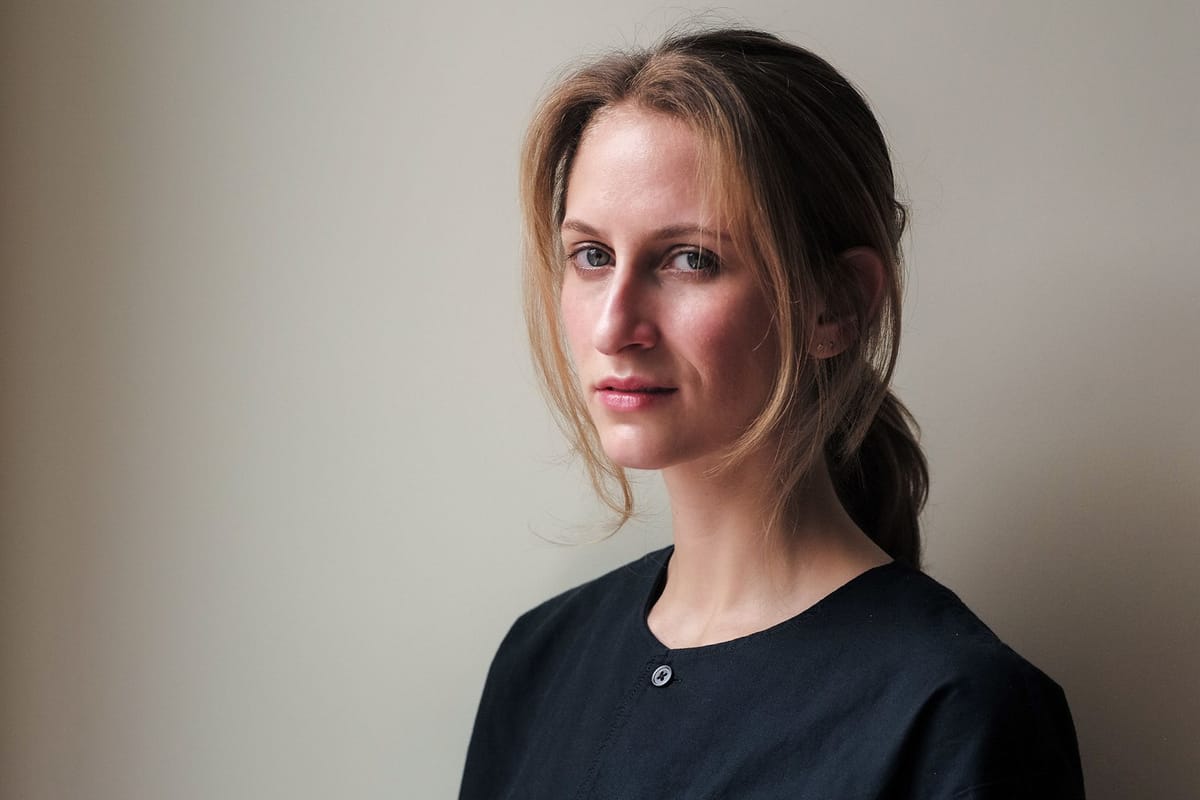
An OpenAI researcher has resigned, citing concerns over the introduction of advertising in ChatGPT and warning it could signal a shift in the company’s priorities.
Zoë Hitzig announced her departure this week and outlined her reasons in a guest essay, saying she feared the move toward ads could create incentives that undermine user trust and safety.
I resigned from OpenAI on Monday. The same day, they started testing ads in ChatGPT.
— Zoë Hitzig (@zhitzig) February 11, 2026
OpenAI has the most detailed record of private human thought ever assembled. Can we trust them to resist the tidal forces pushing them to abuse it?
I wrote about better options for @nytopinion pic.twitter.com/BejakEeuTX
Hitzig, who spent two years working on AI safety policies and model development, said advertising itself is not inherently problematic but raised concerns about its long-term implications.
She wrote that ChatGPT has “generated an archive of human candor that has no precedent,” with users sharing deeply personal information ranging from mental health struggles to relationships and beliefs.
She argued that such openness exists because users feel the chatbot has “no ulterior agenda,” and warned that introducing ads could risk manipulation if incentives shift toward monetizing user data or behavior. Hitzig compared the situation to early social media platforms that began with privacy-focused commitments but later moved toward profit-driven models.
“I believe the first iteration of ads will probably follow those principles,” she said. “But I’m worried subsequent iterations won’t, because the company is building an economic engine that creates strong incentives to override its own rules.”
OpenAI CEO Sam Altman has said advertising could help provide free access to AI tools while maintaining paid subscription tiers, adding that the company would not introduce intrusive ads. Hitzig argued alternative models could keep AI broadly accessible without relying heavily on targeted advertising or user data profiling.