IBM and Arm Build Dual-Architecture Chip to Bring AI Workloads to Z Mainframes
Built using a 2-nanometer process, the chip will feature 11 high-performance cores running at up to 5.7 GHz, along with an on-chip data processing unit for input/output operations.

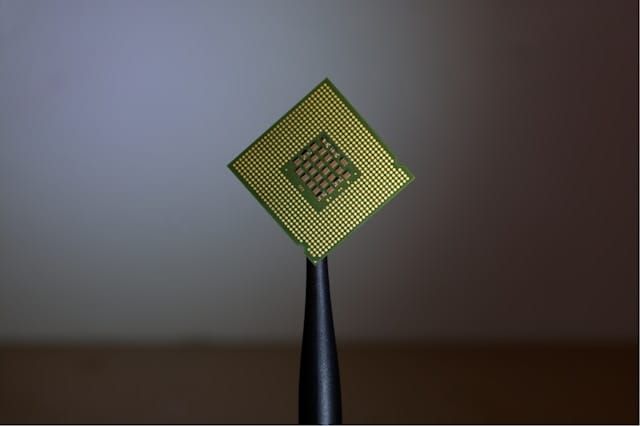
IBM is developing a new dual-architecture processor with Arm Holdings that will allow z/OS and Arm-native Linux workloads to run on the same processor, potentially bringing Arm’s expanding AI and cloud software ecosystem directly to IBM Z mainframes and LinuxONE systems.
Earlier this year, both companies announced a strategic collaboration to develop dual-architecture hardware for future AI and data-intensive enterprise workloads.
The new processor eliminates the performance overhead associated with those approaches. IBM said its cores will natively execute both Arm and IBM Z or LinuxONE instructions, allowing enterprises to run workloads concurrently without dividing applications across separate processors.
Built using a 2-nanometer process, the chip will feature 11 high-performance cores running at up to 5.7 GHz, along with an on-chip data processing unit for input/output operations.
IBM also plans to integrate AI inference accelerators designed for applications such as real-time financial fraud detection. The architecture can eventually scale to hundreds of cores.
The move expands IBM’s growing portfolio of specialised processors and accelerators. Its Telum II processor, used in IBM Z systems, includes an integrated AI accelerator designed to support inference workloads such as fraud detection. IBM has also developed the Spyre Accelerator, a dedicated AI processor designed to work alongside Telum II and IBM Power systems for generative and agentic AI workloads.
IBM’s Power platform has also incorporated AI acceleration as the company looks to bring AI processing closer to enterprise data. These processors complement IBM’s broader focus on combining general-purpose computing with specialised acceleration rather than relying solely on conventional CPUs.
The Arm partnership could be particularly significant for financial institutions and other highly regulated organisations that depend on IBM Z systems. IBM said its mainframes process a significant share of global financial transactions, while Arm’s ecosystem has more than 22 million developers.
“This processor represents a significant architectural advancement for IBM Z and LinuxONE. By bringing Arm natively to our platforms, we’re combining access to one of the industry’s fastest-growing software ecosystems with the qualities that have made IBM systems the foundation for how businesses run,” said Christian Jacobi, IBM Chief Technology Officer and Fellow.
The processor could allow enterprises to deploy Arm-native AI and cloud applications directly on IBM infrastructure while retaining the security, reliability and data controls of their existing mainframe environments.
IBM reported second-quarter revenue of $17.16 billion, up just 1% year over year but below Wall Street expectations, while adjusted earnings of $2.93 per share also missed estimates. More importantly, IBM cut its 2026 revenue growth forecast to 4-5%, down from its earlier expectation of more than 5%.
IBM’s mainframe business is facing pressure as enterprises redirect IT budgets toward AI infrastructure. Supply constraints and rising hardware prices delayed mainframe purchases, contributing to a 42% Z revenue decline, while software grew 5% and distributed infrastructure rose 37%.