U.S. to Mandate Biometric Data Collection for All Foreign Travelers by Year-End
The new system aims to enhance border security, detect visa overstays, and identify potential threats, according to a DHS filing in the Federal Register.

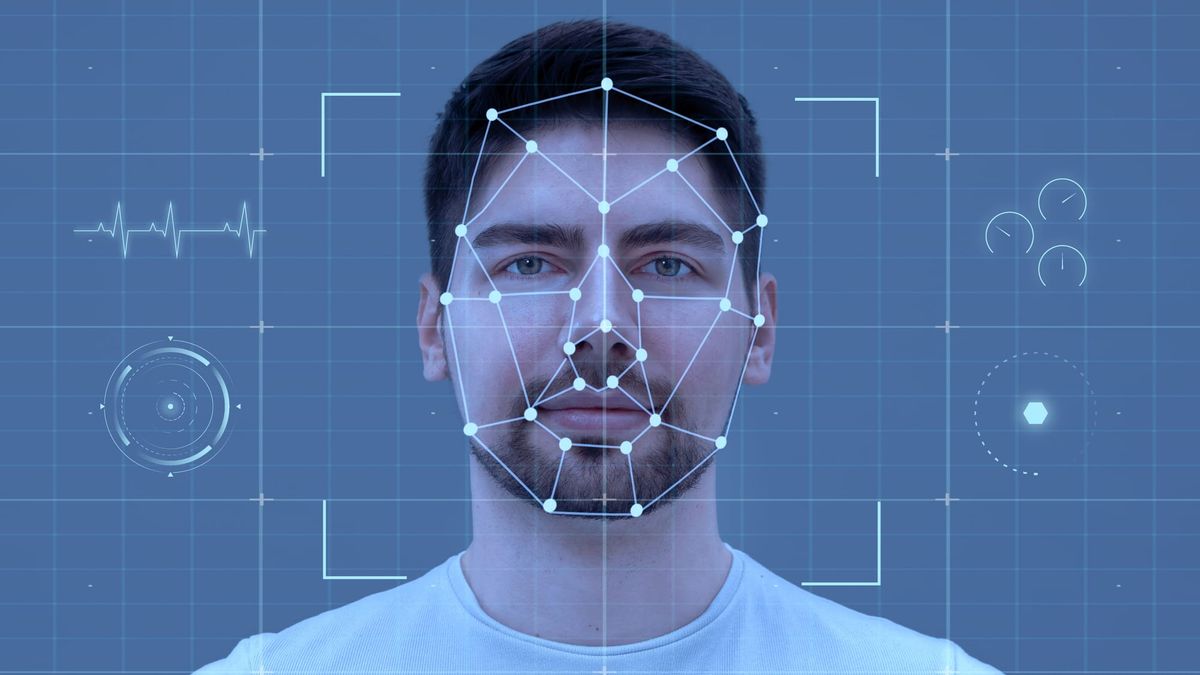
The U.S. Department of Homeland Security (DHS) has announced that, beginning later this year, Customs and Border Protection (CBP) will start collecting biometric data from all non-residents entering or leaving the country to create a centralised “biometric gallery.”
The new system aims to enhance border security, detect visa overstays, and identify potential threats, according to a DHS filing in the Federal Register.
While U.S. citizens may opt out, foreign nationals will be required to submit biometric data — primarily facial images — that will be compared against existing records such as passport or visa photos.
DHS says the system will help “combat attempts by terrorists who use false travel documents to circumvent border checkpoints.”
The technology builds on pilot programs already deployed across airports, now expanding to all air and sea exit points within three to five years. The system uses facial comparison software to verify travelers’ identities by matching live photos to stored image templates.
However, privacy and accuracy concerns persist. Studies by the National Institute of Standards and Technology (NIST) have found higher error rates in facial recognition for people of color.
Lawmakers and civil rights advocates have also raised alarms over the expanding use of biometric surveillance by agencies such as Immigration and Customs Enforcement (ICE).
DHS maintains the technology is reliable, claiming that internal testing shows a match rate above 98% in international traveler screening operations.