Intel Moves Closer to Buying SambaNova, Signaling a High-Stakes Push to Catch Up in the AI Chip Race
Financial terms of the potential deal were not disclosed.

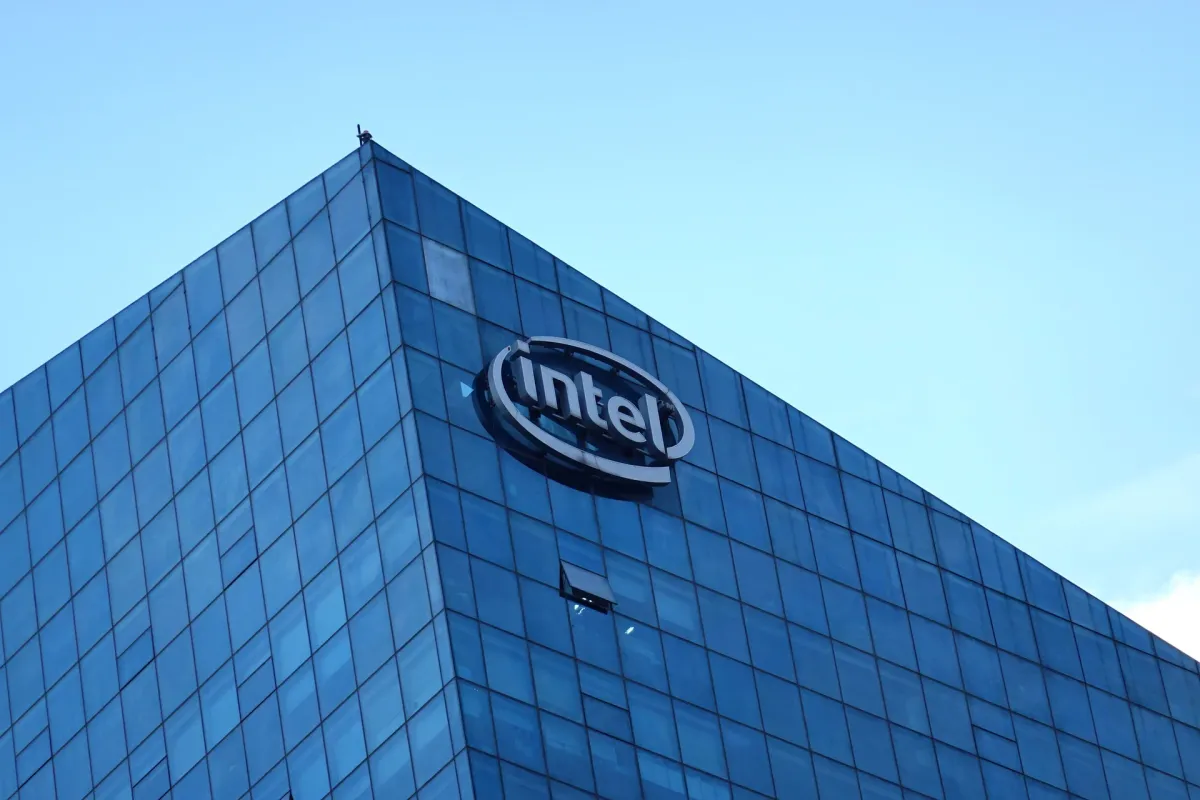
Intel has taken a key step toward acquiring AI chipmaker SambaNova Systems, signing a non-binding term sheet with the Palo Alto–based startup, according to a report by WIRED.
The move signals that negotiations between the two companies are progressing, though the transaction remains subject to regulatory approvals, due diligence and financial reviews that could stretch over the coming weeks or months.
Financial terms of the potential deal were not disclosed. Intel’s interest in SambaNova first surfaced in October, when Bloomberg reported that early talks were underway and that the startup’s valuation could be significantly below its 2021 peak of $5 billion.
The potential acquisition has raised governance questions because Intel chief executive officer Lip-Bu Tan also serves as chairman of SambaNova. Intel Capital, which is in the process of being spun out as an independent investment fund, is another investor in the startup. Adding to the complexity, SoftBank—one of SambaNova’s largest backers—made a sizable investment in Intel earlier this year.
Founded in 2017 by Stanford professors Kunle Olukotun and Christopher Ré, along with former Oracle executive Rodrigo Liang, SambaNova develops hardware and integrated systems designed for AI inference workloads. The company has raised more than $1.14 billion from investors including BlackRock, GV, Intel Capital and SoftBank’s Vision Fund 2.
SambaNova’s valuation has come under pressure since 2021, with reports indicating that some investors have marked down their holdings. The softer valuation could make the startup an attractive acquisition target for Intel, which has struggled to match rivals such as NVIDIA in AI chip performance.
The talks come as Tan advances an AI-first turnaround strategy at Intel, backed by an $8.9 billion US government manufacturing incentive announced in August.