Google Introduces Gemini-Powered System to Help Communities Predict Natural Disasters
The system uses Google’s Gemini AI models to transform millions of unstructured public reports into a searchable dataset.
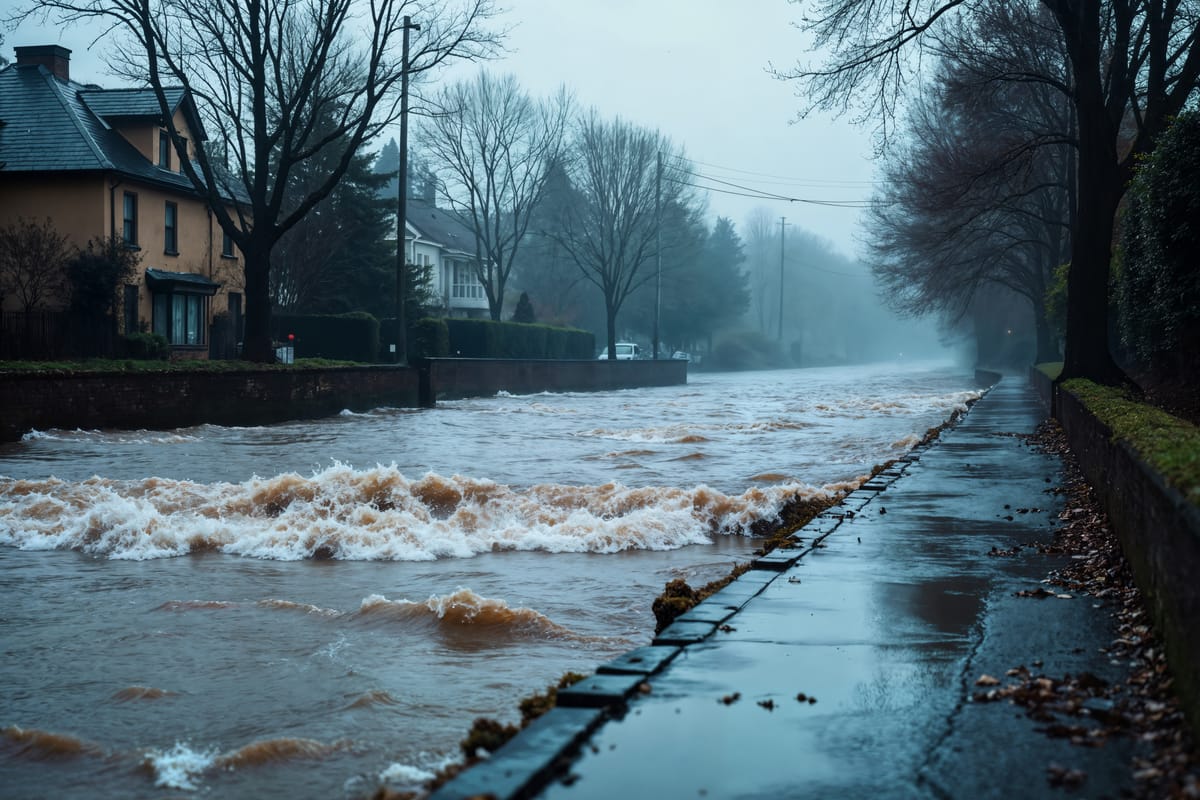
Google has unveiled a new artificial intelligence methodology designed to help communities better anticipate crises such as flash floods by turning large volumes of public information into structured data for disaster forecasting.
The system, called Groundsource, uses Google’s Gemini AI models to transform millions of unstructured public reports—such as news articles and online posts—into a searchable dataset that researchers and emergency planners can analyse to identify emerging risks.
We trained a new flood forecasting model designed to predict flash floods in urban areas up to 24 hours in advance.
— Sundar Pichai (@sundarpichai) March 12, 2026
To help address a flash floods data gap, we created Groundsource: a new AI methodology using Gemini to identify 2.6M+ historical events across 150+ countries.… pic.twitter.com/NLRe71uOD0
According to Google Research, the approach aims to close a major gap in disaster prediction: the lack of high-quality local data. By extracting insights from publicly available reports, the system can generate detailed records of past incidents and patterns, helping improve forecasting models for natural disasters.
The first use case focuses on urban flash floods, which are among the hardest disasters to predict due to rapidly changing local conditions. Groundsource aggregates scattered information about flood events and converts it into standardized datasets that can be used by researchers and city authorities to analyse risk patterns.
"We’re open-sourcing this dataset to advance global research, and urban flash flood forecasts are live now in Flood Hub to help communities stay safe," Alphabet CEO Sundar Pichai said.
The initiative is part of Google’s broader effort to apply AI to global challenges such as climate resilience and disaster response. Researchers say transforming publicly available reports into structured data can help build more accurate predictive systems and support faster emergency responses.
Over time, Google expects the methodology to expand beyond flood prediction to include other crises, such as wildfires and extreme weather events, providing communities and governments with better tools to anticipate and mitigate disasters.
Last year, Google DeepMind, in collaboration with Google Research, launched WeatherNext 2, its most advanced AI-based weather forecasting model to date. The system promises faster, more accurate, and higher-resolution global predictions, according to Google.