Disney Accuses Google of “Massive” Copyright Theft — Just as it Bets $1 Bn on OpenAI
The legal notice alleges that Google’s AI models have reproduced and distributed unauthorized content featuring Disney’s intellectual property.
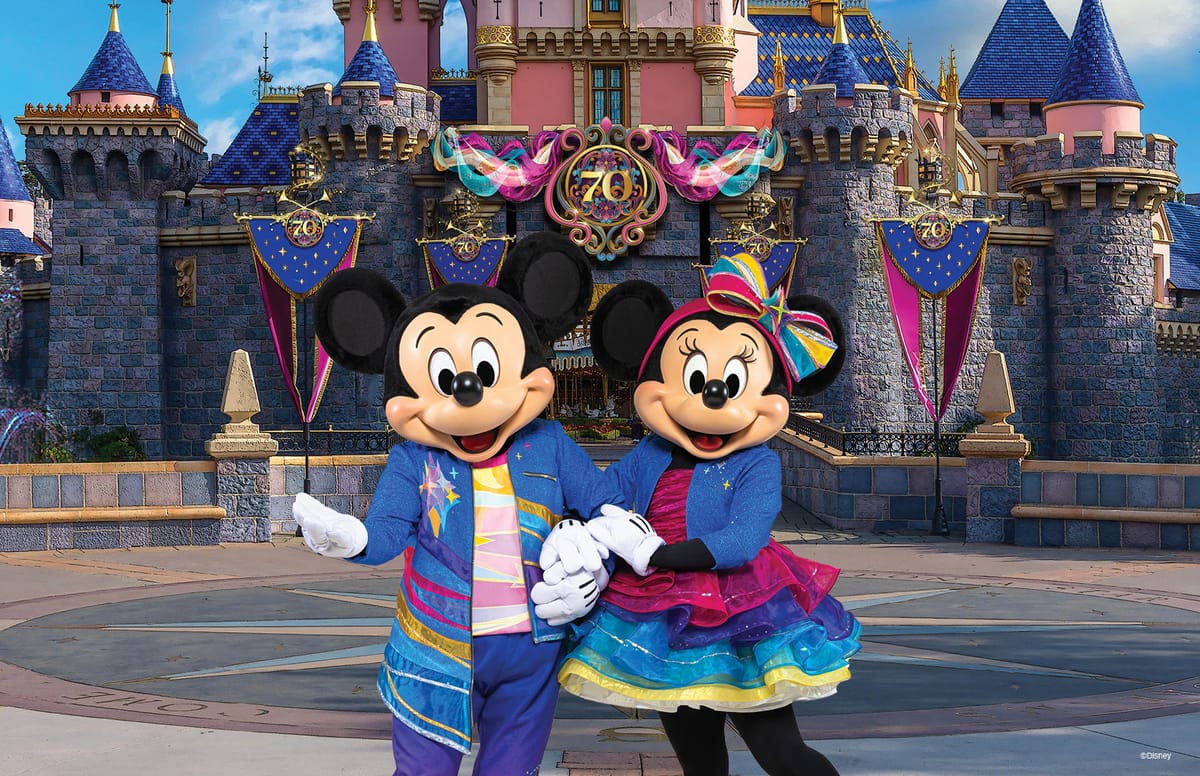
The Walt Disney Company has formally accused Google of large-scale copyright infringement tied to the tech giant’s artificial intelligence services, sending a cease-and-desist letter that demands immediate corrective action.
This comes right after Disney announced a three-year licensing and investment agreement with OpenAI that will allow Disney’s legendary characters to be used in AI-generated content on OpenAI’s Sora platform and ChatGPT Images.
The legal notice, reviewed by multiple outlets including Variety, alleges that Google’s AI models have reproduced and distributed unauthorized content featuring Disney’s intellectual property.
Disney’s complaint asserts that Google has used its copyrighted works without permission to train generative AI models and then output derivative content via products such as Gemini, Veo, Imagen, and other AI tools.
According to the letter, these systems have generated images and videos resembling characters from franchises including Frozen, The Lion King, Moana, The Little Mermaid, Deadpool, Star Wars, and more.
Disney’s attorneys described Google’s services as akin to a “virtual vending machine” that can reproduce these characters on demand, potentially misleading users into believing the content is licensed or endorsed by Disney.
Disney is demanding that Google immediately cease copying, publicly displaying, distributing, and creating derivative works based on its copyrighted characters across its AI offerings. The company is also seeking implementation of “effective technological measures” to prevent future unauthorised use of its intellectual property.
In response, Google has said it maintains a “longstanding and mutually beneficial relationship with Disney” and will continue discussions, emphasizing that its AI training relies on public web data and includes controls such as Content ID to manage copyrighted material.
The action reflects broader tensions in the entertainment and technology sectors over the use of proprietary creative content in AI training and outputs, highlighting growing legal and ethical debates as generative AI proliferates.