AWS CEO Says Space-Based Data Centres Remain a Distant Reality Despite AI Boom
Speaking at the Cisco AI Summit in San Francisco, Garman pointed to the immense logistical and economic hurdles involved in deploying computing infrastructure in orbit.
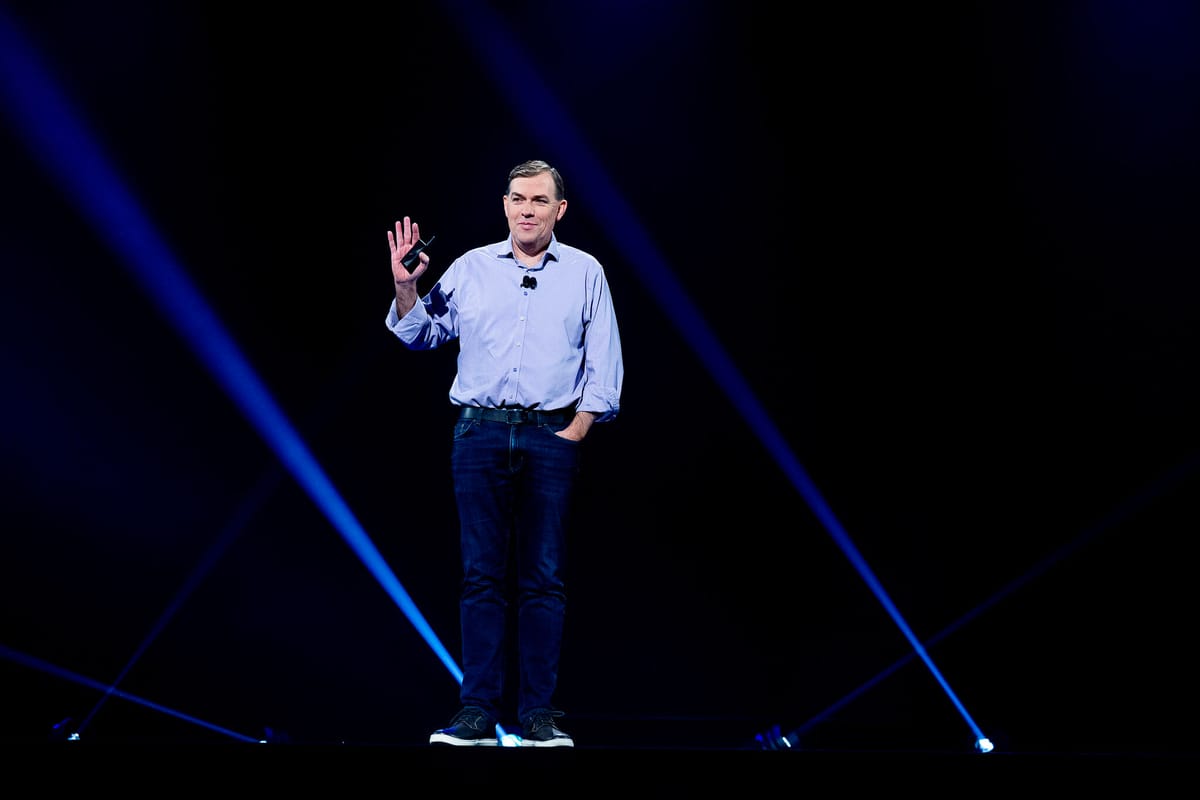
Amazon Web Services (AWS) CEO Matt Garman has cast doubt on the near-term feasibility of space-based data centres, saying the concept remains “pretty far” from becoming a reality despite growing interest from startups and major technology figures.
Last year, Google Research unveiled its bold new initiative, Project Suncatcher, to build space-based AI infrastructure that could revolutionise how artificial intelligence compute is scaled.
Speaking at the Cisco AI Summit in San Francisco, Garman pointed to the immense logistical and economic hurdles involved in deploying computing infrastructure in orbit.
The rapid expansion of artificial intelligence has driven soaring demand for compute power and cooling, stretching the limits of land-based data centres and prompting cloud providers to explore unconventional alternatives, including space.
However, Garman said the challenges of launching and maintaining servers, satellites, and related hardware in orbit make the idea impractical for now. “There are not enough rockets to launch a million satellites yet, so we’re, like, pretty far from that,” he said. “If you think about the cost of getting a payload in space today, it’s massive. It is just not economical.”
Interest in orbital data centres has been gaining momentum. Several startups argue that placing infrastructure in space could sidestep issues such as overheating and land constraints. Blue Origin, the rocket company founded by Amazon founder Jeff Bezos, has also been reported to be exploring the concept.
Elsewhere in the industry, Elon Musk has framed space-based data centres as a long-term necessity. Following the recent merger of SpaceX and xAI, Musk said orbital facilities could become critical as “global electricity demand for AI simply cannot be met with terrestrial solutions.”